Shipping intelligence that's always on.
Educational guides, industry news, strategic insights, and data-driven analysis for parcel shippers.

Expert guides and analysis curated by the ShipMint team.
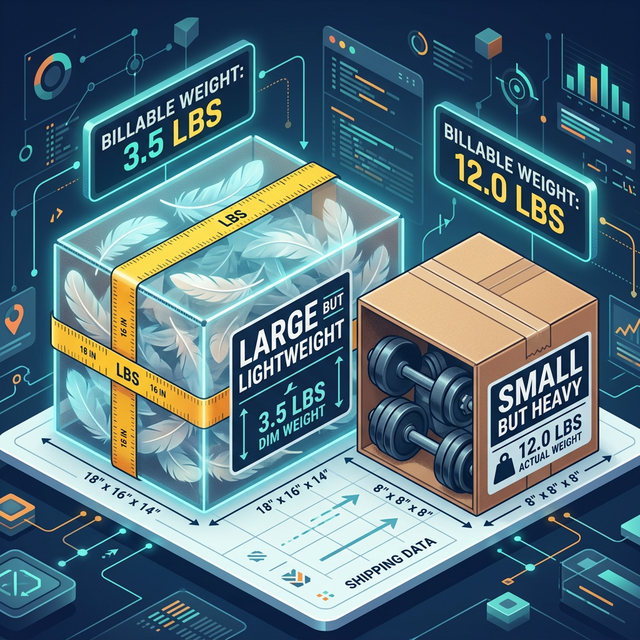
Dimensional Weight Pricing Explained
DIM weight is one of the biggest hidden costs in shipping. Learn the formula, how UPS and FedEx calculate it, and how to reduce DIM charges.
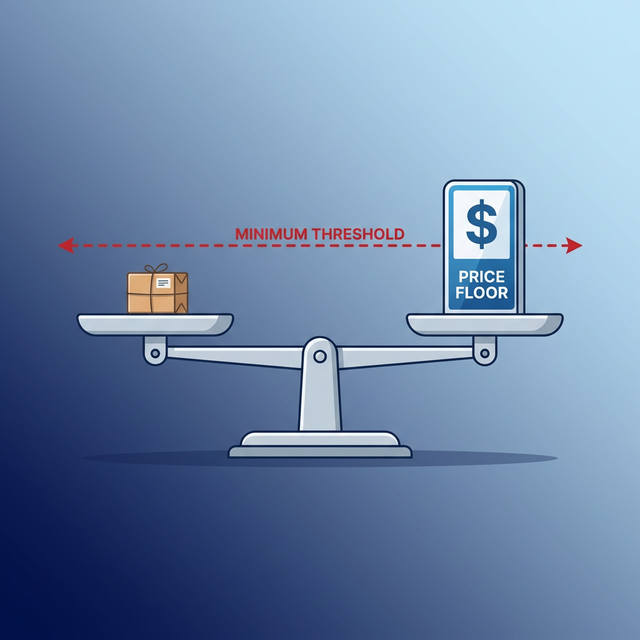
Minimum Charges and Floor Rates in Parcel Shipping
Even the smallest, lightest package has a minimum cost. Learn how UPS and FedEx minimum charges work and why they matter for lightweight shippers.

5 Signs You're Overpaying for Parcel Shipping (And Don't Know It)
Most businesses don't realize they're overpaying for shipping until they run the numbers. Here are the five warning signs — and what to do about each one.

How to Read a UPS or FedEx Rate Table
Rate tables can be intimidating. Here's a step-by-step walkthrough of how to look up your shipping rate in the carrier's published rate guide.

Fuel Surcharges: How They're Calculated and Why They Change Weekly
Fuel surcharges add 7-25% to every shipment. Learn how UPS and FedEx calculate them, what drives weekly changes, and why they keep going up.
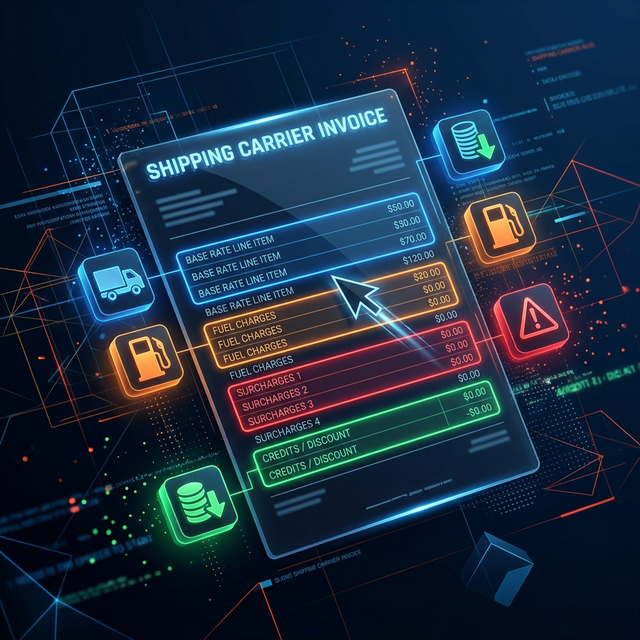
Understanding Your Carrier Invoice Line by Line
Carrier invoices are packed with charge codes and line items. Here's how to decode every section of your UPS or FedEx invoice.
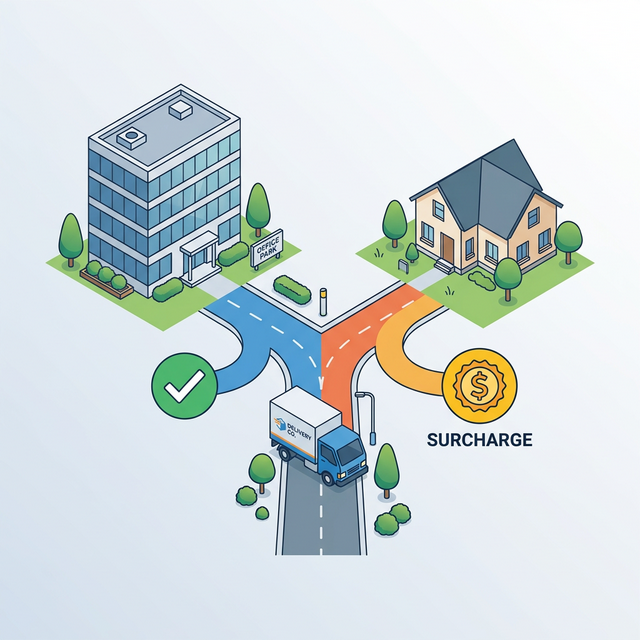
Residential Delivery Surcharge Explained
The residential delivery surcharge adds $6–7 to every home delivery. Learn what triggers it, how UPS and FedEx classify addresses, and how to reduce the impact.
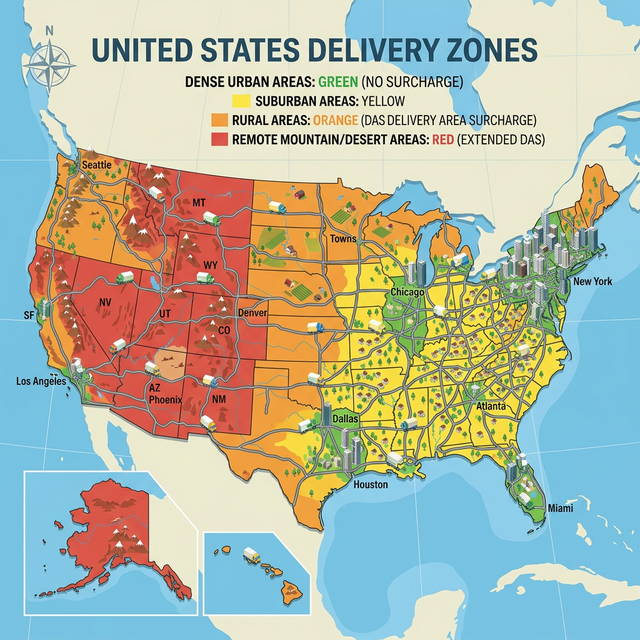
Delivery Area Surcharges (DAS): What They Are and Where They Apply
DAS surcharges add $3–$8+ per package for shipments to rural and extended areas. Learn the three tiers, how to check zip codes, and strategies to reduce costs.
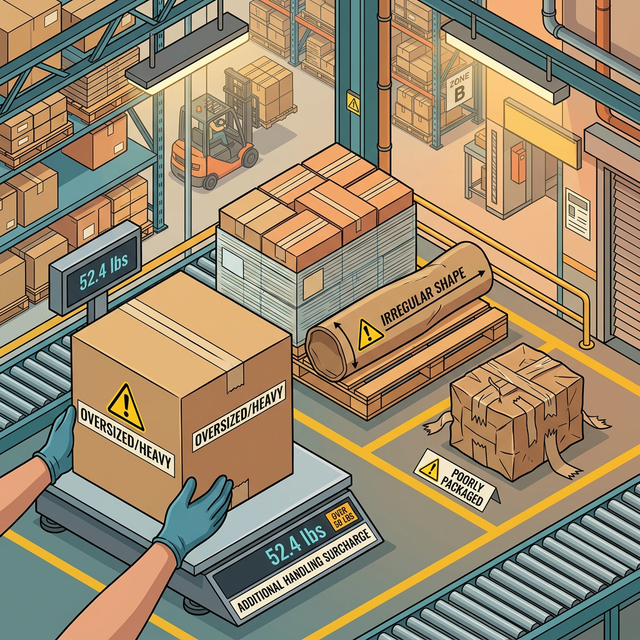
Additional Handling Surcharges: Weight, Dimensions, and Packaging
Additional handling surcharges can add $16-$40 per package. Learn the three triggers — weight, dimensions, and packaging — and how to avoid them.
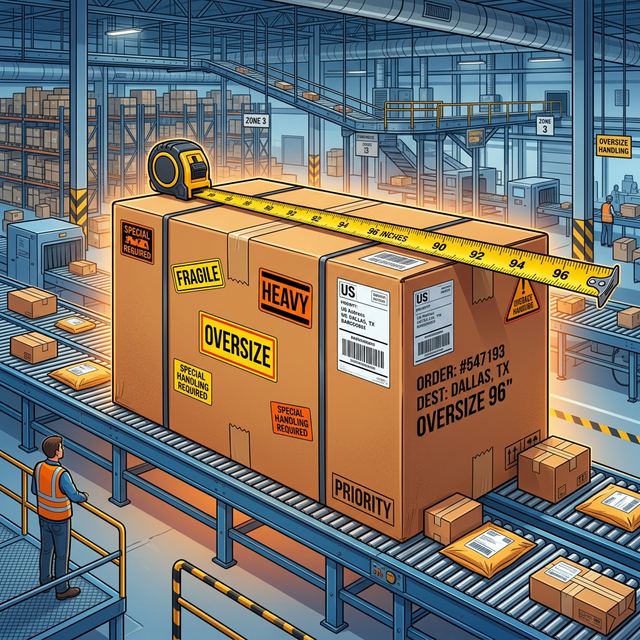
Oversize Package Surcharges
Oversize surcharges can add $115-$150 to a single package. Learn the measurement formulas, carrier thresholds, and when to switch to freight.
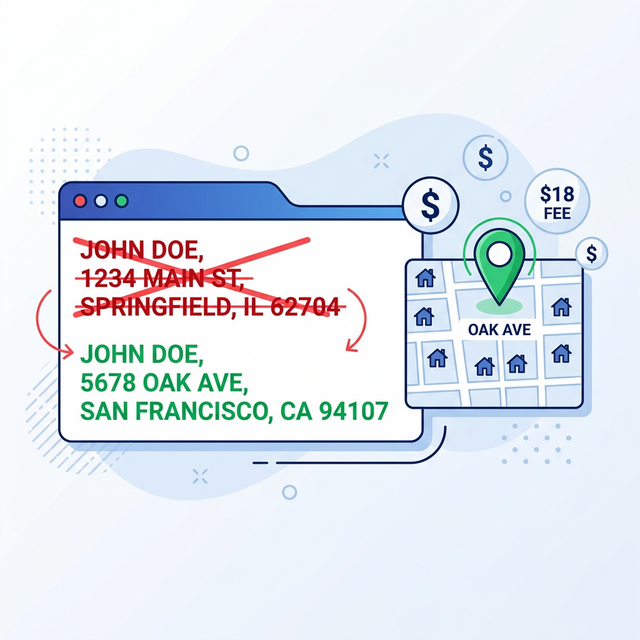
Address Correction Charges: Why They Happen and How to Avoid Them
Address correction fees cost $18-$21 per package. Learn why carriers reclassify addresses, what triggers corrections, and how to prevent them.

The Hidden Cost of Shipping Surcharges: A Data-Driven Breakdown
Surcharges now represent 25–40% of total parcel spend for most shippers. We break down the biggest offenders and show you where the money is actually going.
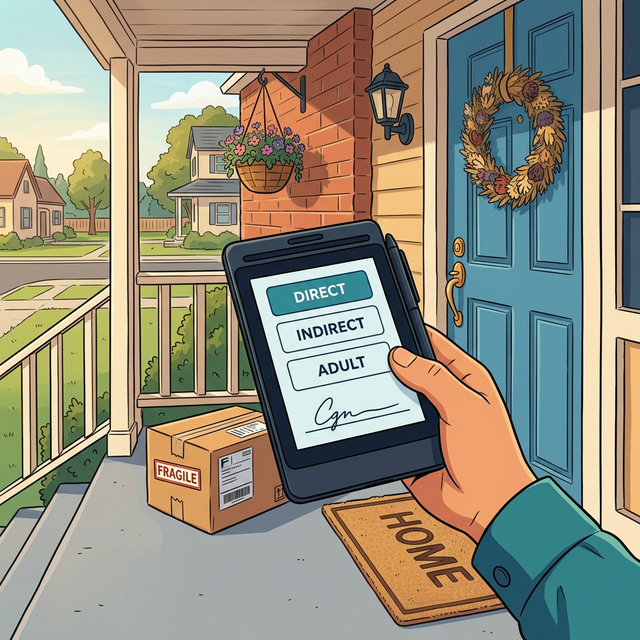
Signature Required Options and Costs
Direct, indirect, and adult signature options protect high-value shipments but add $5-$9 per package. Learn when each type is required and how to manage costs.
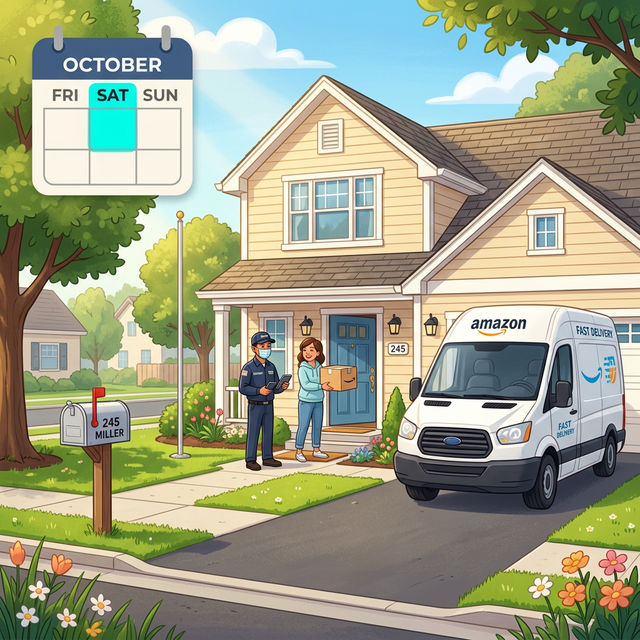
Saturday Delivery and Extended Delivery Surcharges
Weekend delivery comes at a premium. Learn what Saturday delivery costs with UPS and FedEx, how to schedule it, and when it's worth the extra spend.
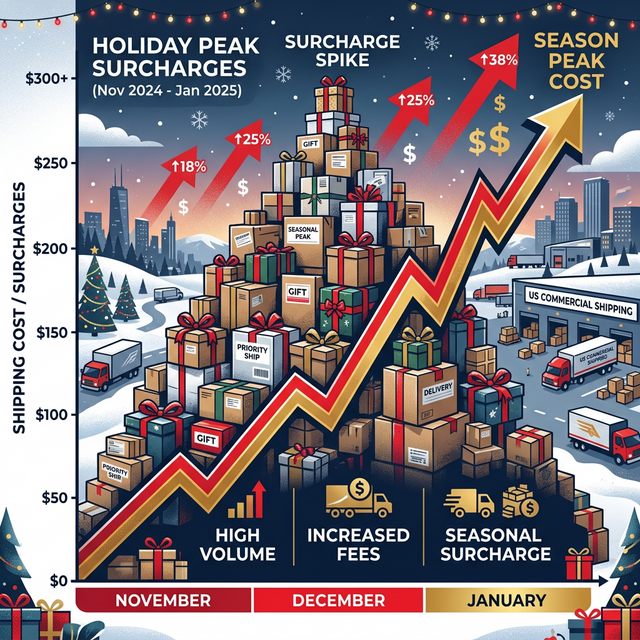
Peak and Demand Surcharges: What Shippers Should Expect
Holiday peak surcharges can add $1-$7 per package during the busiest shipping weeks. Learn the timing, tiers, and strategies to manage seasonal surcharge spikes.

COD, Declared Value, and Insurance Surcharges
Protect your shipments with declared value and insurance. Learn the costs, coverage limits, and when third-party insurance saves money over carrier options.
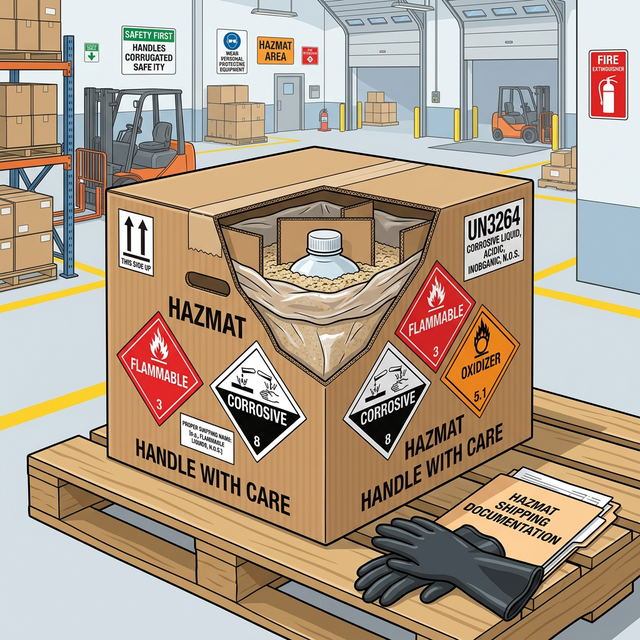
Dangerous Goods and Hazmat Surcharges
Shipping hazardous materials triggers special surcharges, packaging rules, and documentation. Learn the classifications, costs, and carrier requirements.
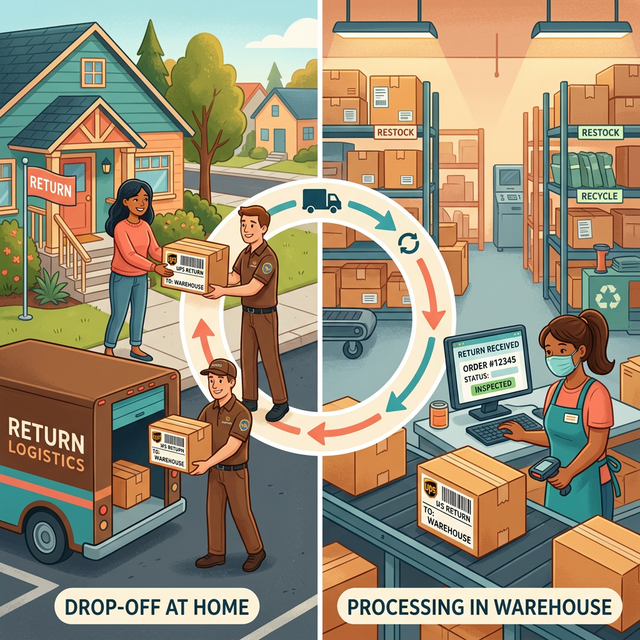
Return Shipment Surcharges and Services
Return shipping costs differently than outbound shipping. Learn the carrier return services, surcharges, and strategies to reduce return logistics costs.
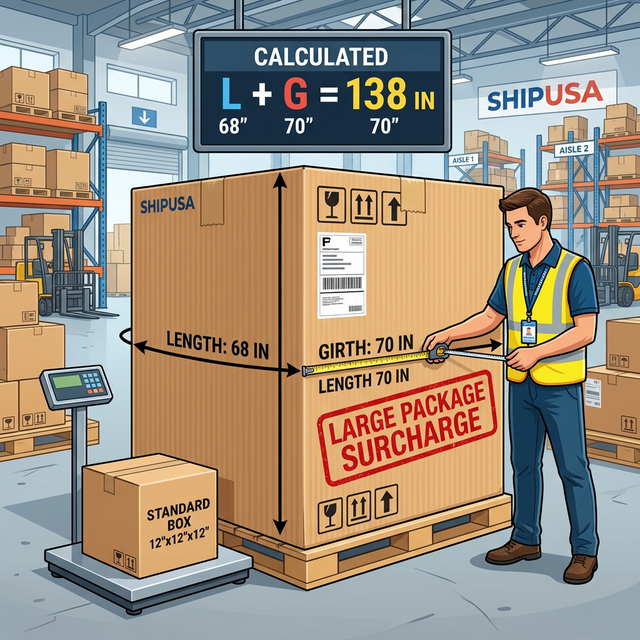
Large Package and Unauthorized Surcharges
Large package surcharges and unauthorized fees are among the most expensive penalties in parcel shipping. Learn the thresholds, charges, and how to avoid them.
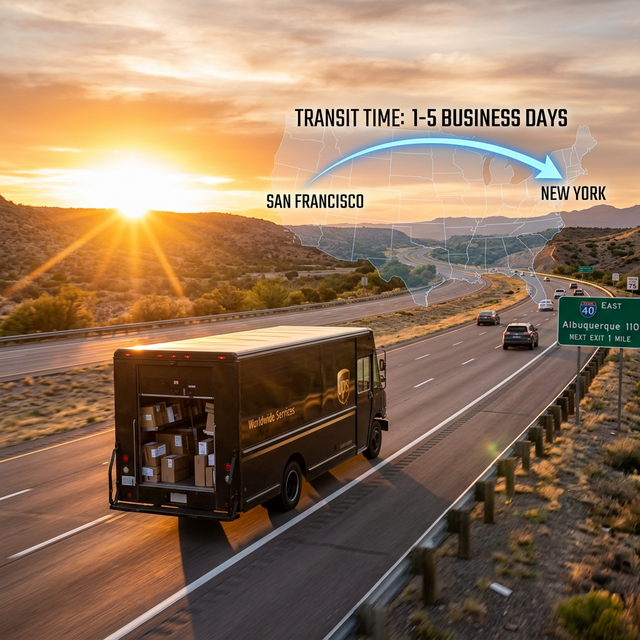
UPS Ground: Service Details, Transit Times, and Pricing
UPS Ground is the backbone of domestic parcel shipping. Learn how it works, typical transit times, Saturday delivery, and how to optimize Ground shipping costs.

UPS Next Day Air: Service Levels and When to Use Each
UPS offers three Next Day Air tiers with different commit times and prices. Learn the differences between NDA Early, NDA, and NDA Saver.
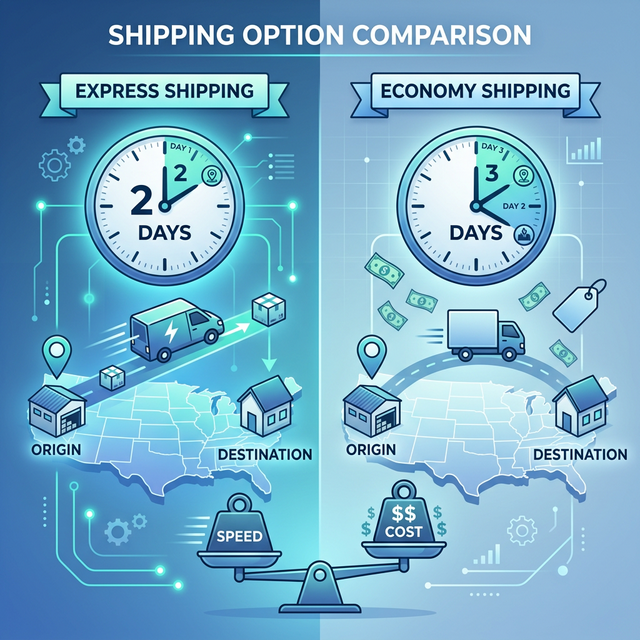
UPS 2nd Day Air and 3 Day Select: Mid-Tier Express Options
Overnight shipping isn't always necessary. Learn how UPS 2nd Day Air and 3 Day Select offer faster-than-Ground delivery at a fraction of overnight costs.
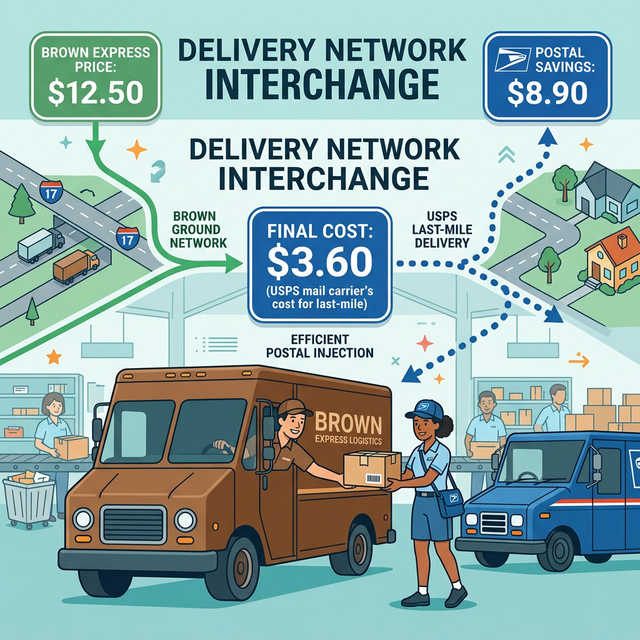
UPS SurePost vs. Ground: Which Is Cheaper?
UPS SurePost uses USPS for last-mile delivery and can be significantly cheaper than Ground. Learn the trade-offs, weight thresholds, and when SurePost wins.
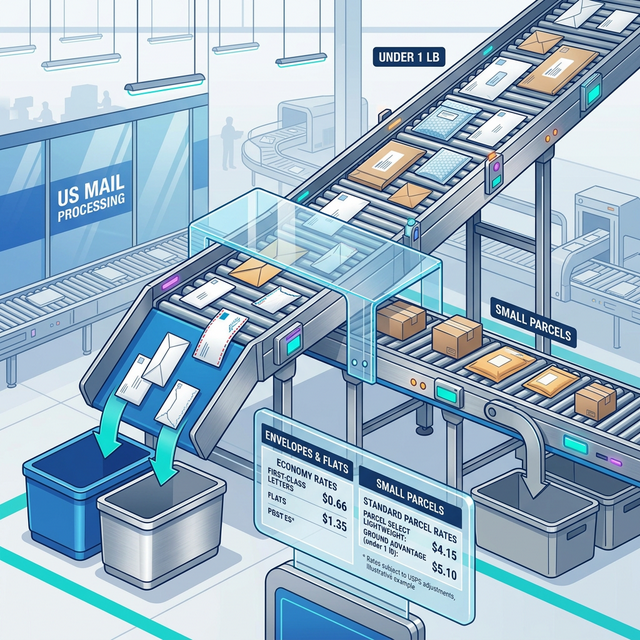
UPS Mail Innovations Explained
UPS Mail Innovations offers competitive rates for lightweight parcels under 1 lb. Learn how MI works, the service tiers, and when it beats Ground and SurePost.
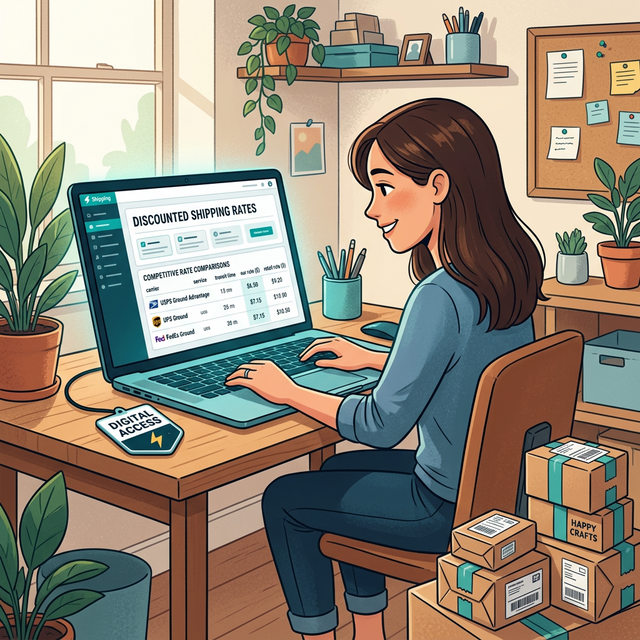
UPS Digital Access Program (DAP) Explained
UPS DAP rates offer discounted pricing for e-commerce shippers who access UPS through integrated platforms. Learn how DAP works and who qualifies.
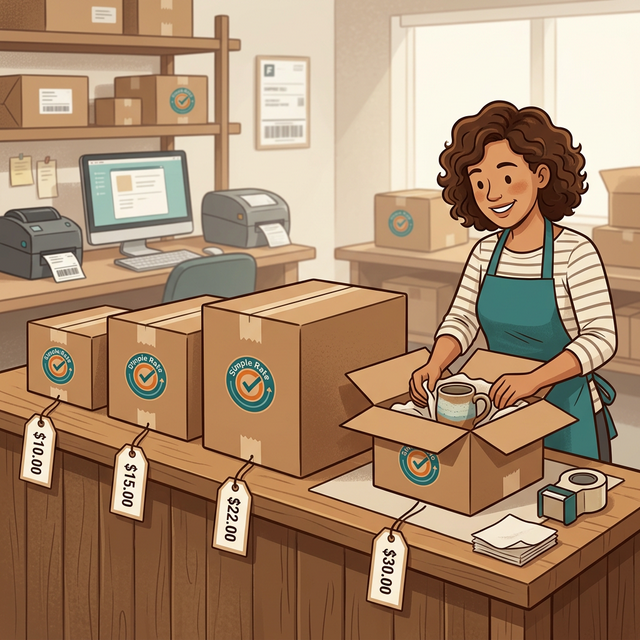
UPS Simple Rate: Flat-Rate Shipping Explained
UPS Simple Rate offers flat-rate pricing based on package size, not weight. Learn the box tiers, pricing by zone, and when flat-rate beats standard rates.
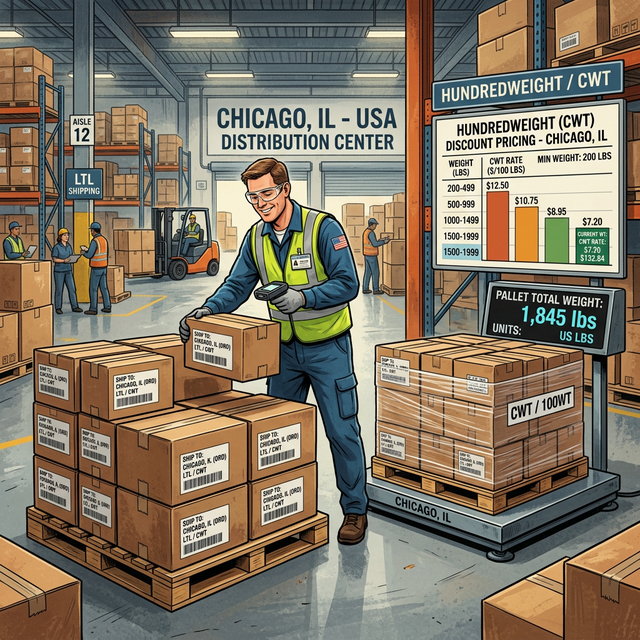
UPS Ground with Freight Pricing (Hundredweight/CWT)
Shipping multiple packages to the same address? UPS Hundredweight (CWT) pricing can cut costs by 50% or more. Learn how CWT works and when it applies.
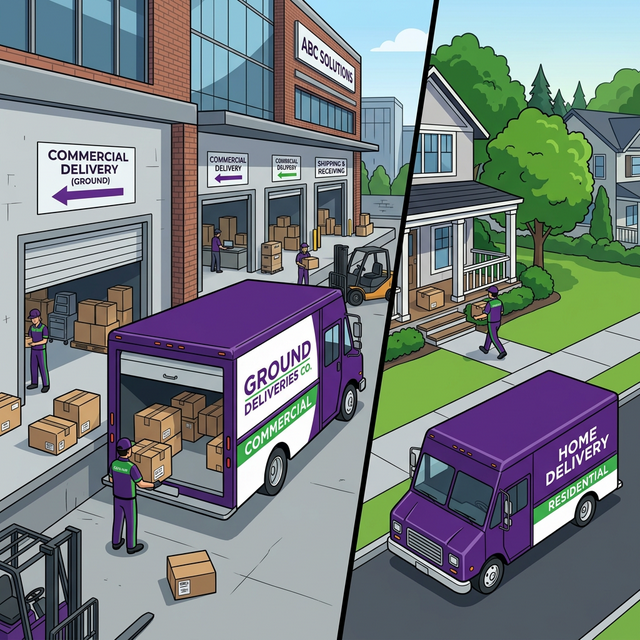
FedEx Ground and Home Delivery: What Shippers Need to Know
FedEx Ground handles the bulk of domestic shipping. Learn the differences between Ground and Home Delivery, transit times, and cost optimization strategies.

FedEx Express: Priority, Standard, and Economy Options
FedEx offers multiple express tiers from overnight to three-day delivery. Learn which service fits your needs and how to optimize express shipping costs.
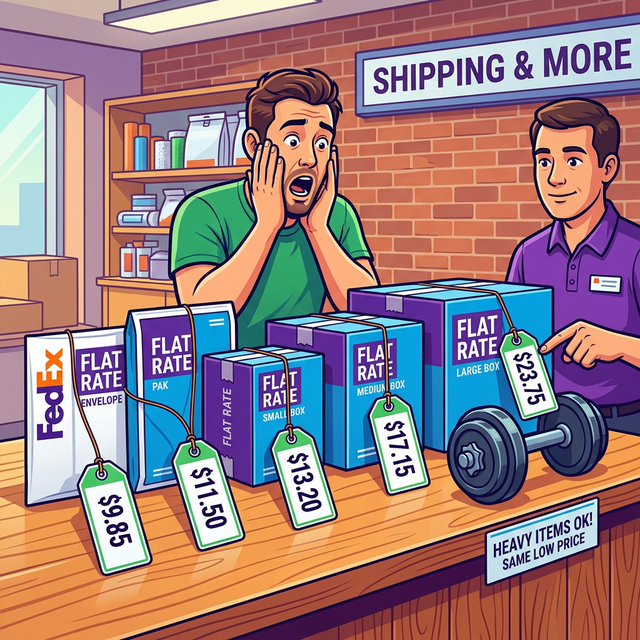
FedEx One Rate: When Flat-Rate Pricing Makes Sense
FedEx One Rate offers flat-rate pricing up to 50 lbs using FedEx packaging. Learn the box options, pricing, and when One Rate beats standard rates.
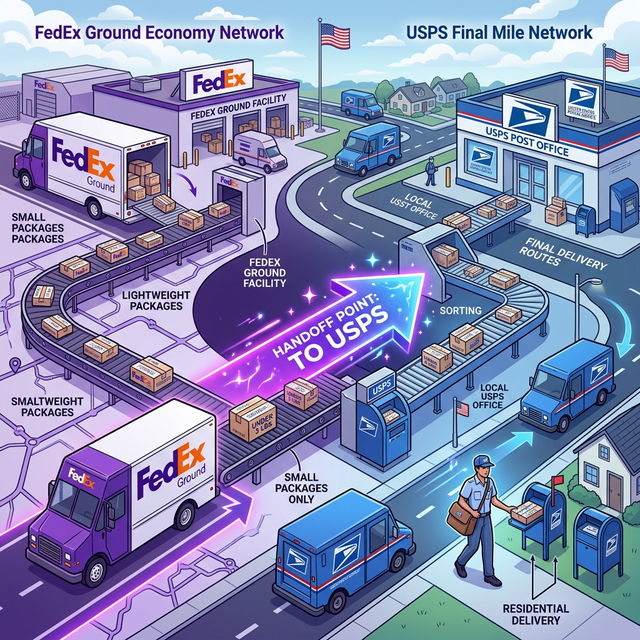
FedEx Ground Economy (SmartPost) Explained
FedEx Ground Economy uses USPS for final delivery and offers the lowest FedEx rates. Learn how it compares to Ground, weight limits, and optimal use cases.

FedEx SameDay: When You Need It There Today
FedEx SameDay delivers packages within hours. Learn the service options, pricing structure, and when same-day delivery makes business sense.
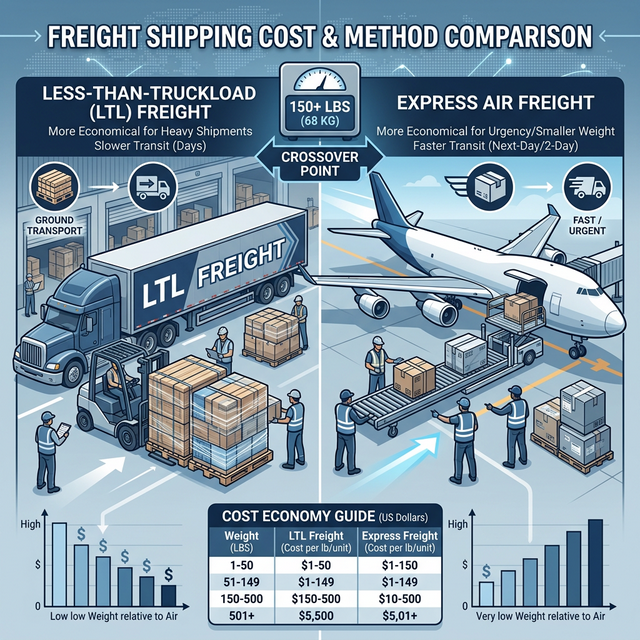
FedEx Freight vs. Express Freight: Choosing the Right Option
Heavy shipments can go FedEx Freight (LTL) or Express Freight (air). Learn when each makes sense, pricing differences, and crossover points.
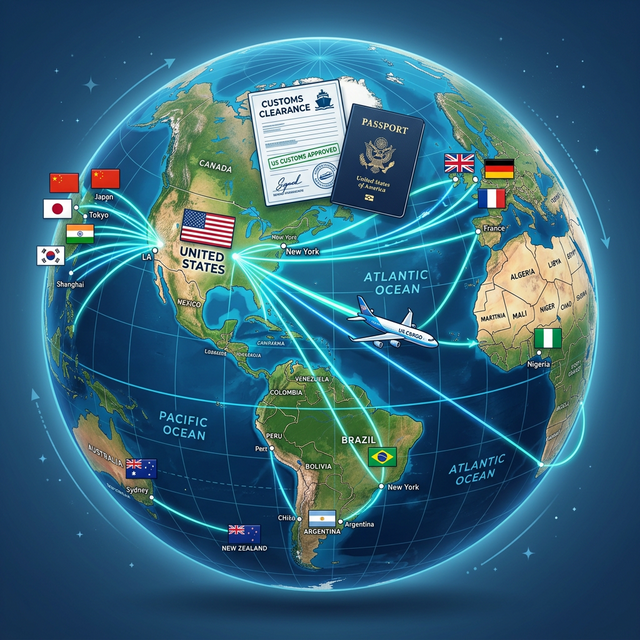
FedEx International Express vs. International Ground
Shipping internationally with FedEx? Learn the differences between International Express and International Ground — services, transit, customs, and costs.
FedEx Multiweight Pricing Explained
FedEx Multiweight bundles packages to the same destination for lower per-package rates. Learn how MWP works, eligibility, and when it saves money.
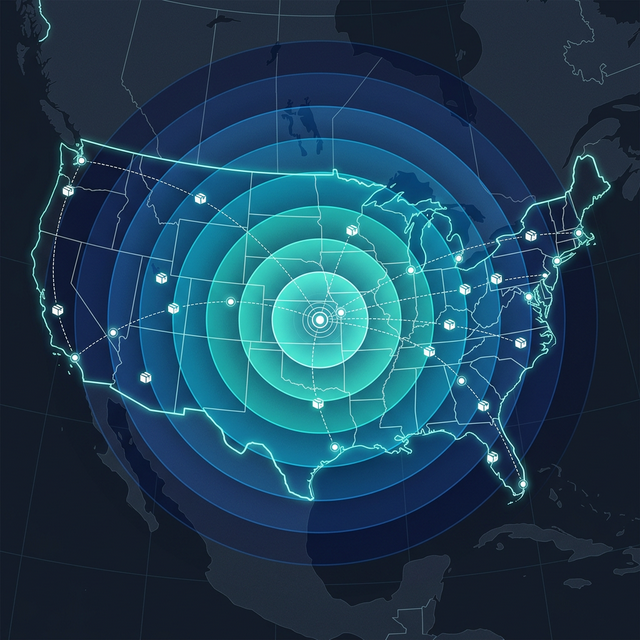
How Shipping Zones Are Determined
Shipping zones are based on distance between origin and destination. Learn how carriers assign zones, how to look up zone charts, and how zone distribution affects costs.
Alaska and Hawaii Shipping: What Shippers Need to Know
Shipping to Alaska and Hawaii costs significantly more than the lower 48. Learn the zone treatments, surcharges, transit times, and carrier differences.
US Territories and Military APO/FPO Shipping
Shipping to Puerto Rico, Guam, USVI, and military addresses has unique rules. Learn which carriers serve these destinations and how to manage costs.
International Shipping Zones and Customs Basics
International zones work differently than domestic. Learn how carriers group countries, how customs duties work, and key documentation requirements.
Delivery Area Surcharge Zip Code Lists: 2026 Update
DAS zip codes change every year. Learn how to check if your customers' addresses are in DAS, Extended, or Remote zones for 2026.
How to Measure and Weigh Packages for Shipping
Accurate measurements prevent billing surprises. Learn proper measuring techniques, rounding rules, and how carriers verify your declared dimensions.
Right-Sizing Your Packaging to Reduce Shipping Costs
Oversized boxes trigger DIM weight penalties. Learn packaging optimization strategies that can cut shipping costs by 15-30% without changing carriers.
Carrier-Supplied Packaging: Free Boxes and Envelopes
UPS and FedEx both offer free packaging for certain services. Learn which boxes are free, what restrictions apply, and when to use your own vs. carrier packaging.
Prohibited and Restricted Items: What You Can't Ship via Parcel
Carriers have strict rules about what can and can't be shipped. Learn the prohibited items lists, restricted categories, and penalties for violations.
Packaging Requirements: How to Avoid Damage Claims
Proper packaging prevents damage and strengthens claims. Learn carrier packaging guidelines, cushioning requirements, and labeling best practices.
How to Read Your UPS Invoice
UPS invoices contain dozens of charge codes and line items. Learn the invoice structure, common charge codes, and how to identify billing errors.
How to Read Your FedEx Invoice
FedEx invoices separate Ground and Express billing. Learn the invoice format, charge codes, and how FedEx billing differs from UPS.
The UPS and FedEx Money-Back Guarantee (GSR)
Late deliveries qualify for full refunds under the carrier's service guarantee. Learn how GSR works, what qualifies, and how to claim refunds.
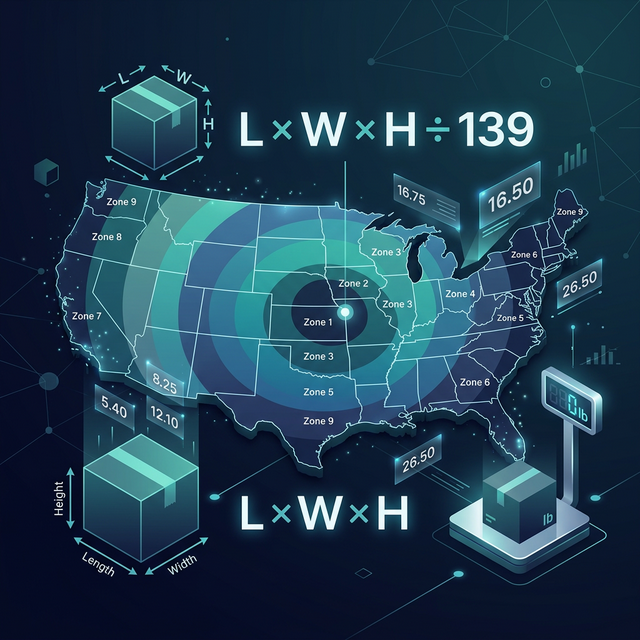
Parcel Audit 101: Finding Billing Errors on Your Carrier Invoices
2-5% of carrier invoices contain errors. Learn the most common billing mistakes, how to catch them, and how to recover credits from UPS and FedEx.
Filing Damage and Lost Package Claims with UPS and FedEx
When packages go missing or arrive damaged, here's how to file claims, what documentation you need, and what to expect for payout timelines.
Void and Unused Label Refunds: Recovering Credits for Labels Never Used
Shipping labels that are created but never scanned are still billed. Learn how to request void credits from UPS and FedEx and prevent label waste.

Carrier Contracts 101: Anatomy of a UPS or FedEx Agreement
Carrier contracts are complex but crucial. Learn the key sections, common terms, and what to focus on when reviewing a UPS or FedEx pricing agreement.
How to Negotiate Better Rates with UPS and FedEx
Rate negotiations don't have to be intimidating. Learn the preparation, timing, leverage points, and tactics for negotiating better carrier rates.
Understanding the Annual General Rate Increase (GRI)
Carriers raise rates every January. Learn what the GRI covers, how it differs from the headline number, and how to protect your margins.
Earned Discount Programs: How to Unlock Better Rates
Earned discount programs reward volume with deeper discounts. Learn how tier structures work, how to calculate your tier, and negotiation strategies.
Dual-Carrier Strategy: Using UPS and FedEx Together
Running UPS and FedEx side by side isn't just for big shippers. Learn the benefits, implementation strategies, and optimal split between carriers.
Third-Party Logistics (3PL) vs. In-House Shipping
Should you outsource fulfillment to a 3PL or keep shipping in-house? Learn the cost trade-offs, decision framework, and when to make the switch.
Regional Carriers: An Alternative to UPS and FedEx
Regional carriers offer lower rates and no residential or DAS surcharges in their coverage areas. Learn who they are, where they operate, and when to use them.
When and Why to Use a Shipping Consultant or Broker
Shipping consultants and brokers negotiate carrier rates on your behalf. Learn how they work, what they charge, and when the investment makes sense.
Other Top Business Headlines
The latest headlines from across the business and logistics world.